Guide
Do Blood Sugar Supplements Work? What the Evidence Says and Does Not Say
Do blood sugar supplements work? For most, no. NCCIH says a few have weak evidence of possible benefit and most have none, and that supplements should never replace diabetes treatment. Some products sold for blood sugar have also held hidden prescription drugs. Ask your doctor or pharmacist before you start one.
Written by the Glyco Harmony label deskUpdated
The short answer01
Do blood sugar supplements work?
For most blood sugar supplements, there is no evidence of a benefit in diabetes. For a few there is weak evidence, and no supplement is a substitute for treatment.
That is the reading of the National Center for Complementary and Integrative Health (NCCIH). It also says that supplements should never replace medical treatment for diabetes (NCCIH, Diabetes and Dietary Supplements).
Keep taking prescribed medicine as directed. Talk to your doctor or pharmacist before you add any supplement.
| Supplement | What the source says |
|---|---|
| Chromium | A 2022 review of 16 studies suggested possible gains in A1C and fasting glucose. Large doses are linked to rare kidney and liver problems. Long-term effects are not well studied. |
| Bitter melon, fenugreek, ginseng, milk thistle, Chinese herbal medicines | Research is limited in number, size and quality. None has been shown to be effective. |
| St. John's wort and aloe | Can interact with diabetes medicines. |
Chromium is the one name here with its own dose table. See chromium in Glyco Harmony.
Safety02
Are blood sugar supplements safe?
Some are, for some people. "Natural" does not mean safe, and the risk goes up with high doses, with several products at once and with prescribed medicines (NIH ODS, Supplements: What You Need to Know).
Supplements do not need FDA approval before sale. The FDA does not check whether they work before they reach shelves.
The bigger worry for blood sugar products is the hidden drug. FDA lab tests found glyburide and metformin, active ingredients of prescription diabetes medicines, in a product sold as a glucose supplement (FDA, Hidden Drugs in Glucose Supplement). The label did not list them. That can mean dangerously low blood sugar for someone who also takes a medicine.
That alert named one product. It shows why you should tell your doctor and pharmacist about every supplement you take.
Reading the front03
What does "Blood Sugar Support*" on a label mean?
It is a structure or function claim. It describes a role, and the FDA has not evaluated it. The star leads to the disclaimer.
The FDA says supplements may not claim to diagnose, treat, cure or prevent any disease. Their labels must carry a disclaimer that the claim is not evaluated (FDA, Structure/Function Claims). So the phrase does not mean the product treats anything.
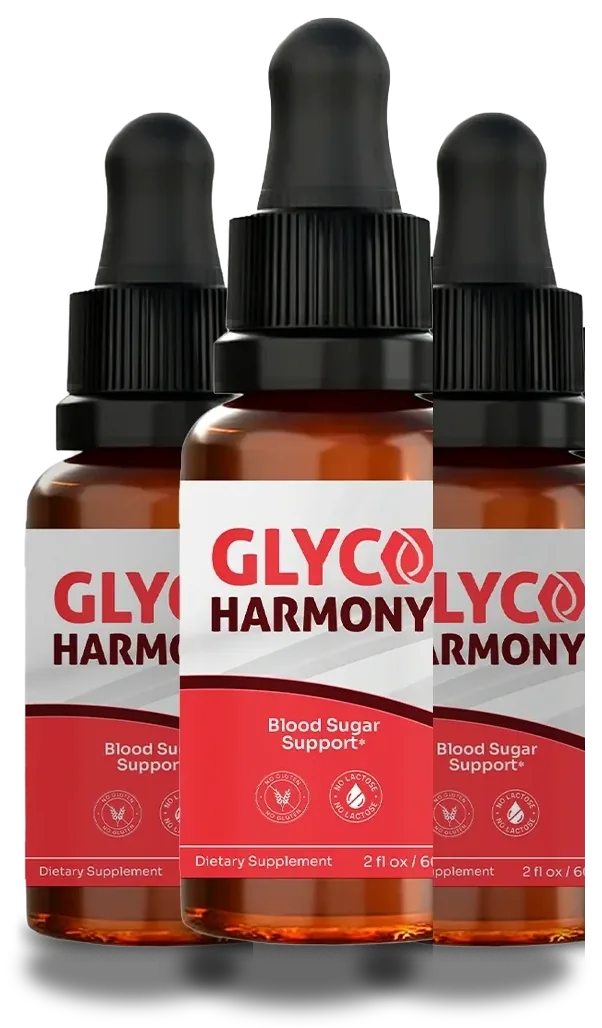
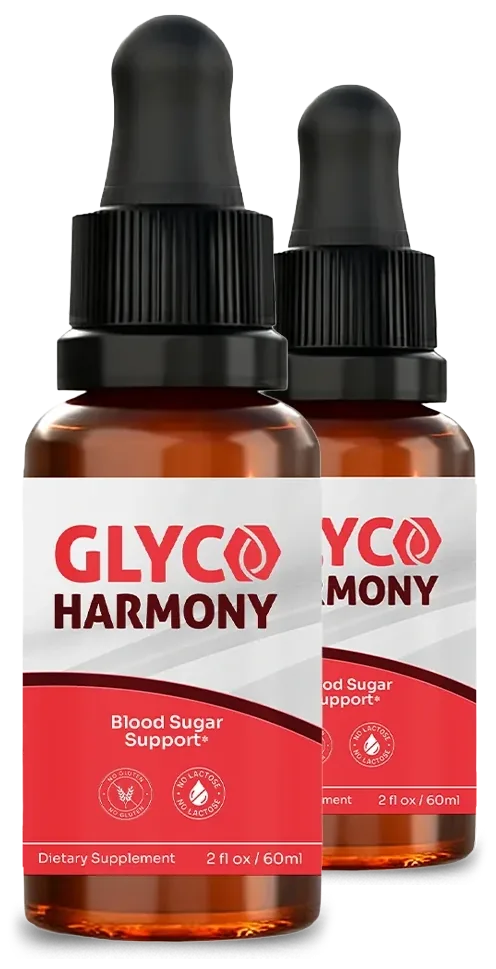
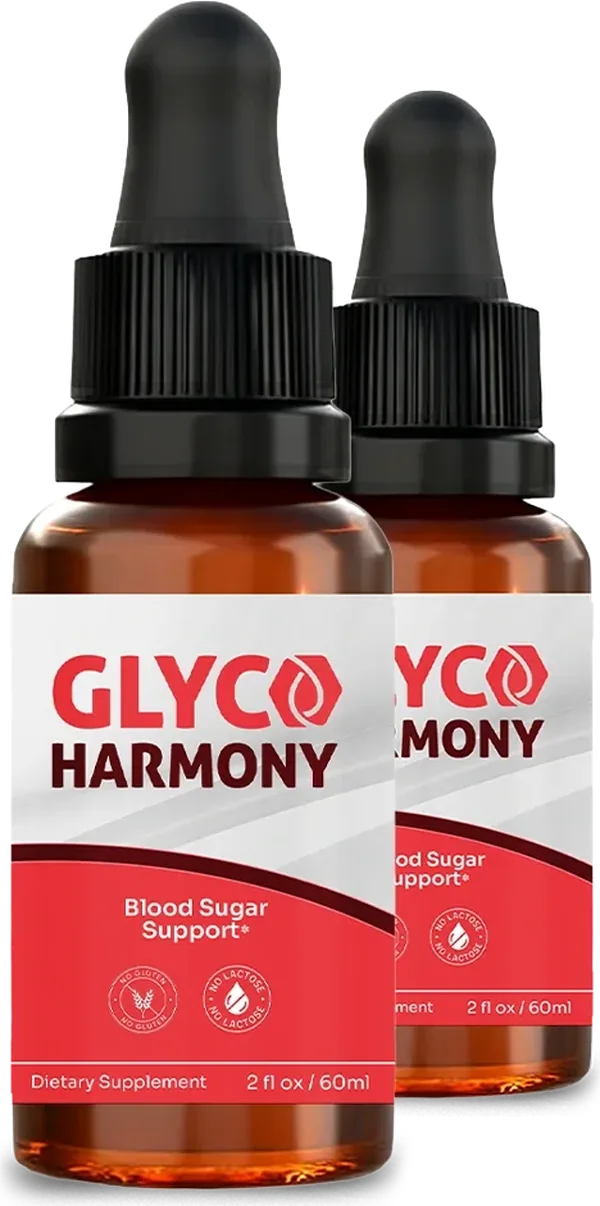
The Glyco Harmony bottle is a plain example. Its front says "Blood Sugar Support*". The label lists chromium at 0.7 mcg and one 200 mg blend of 22 names, with no split. No study has tested it.
Doses04
Why do trial doses matter for blood sugar support supplements?
A trial shows what one amount did in one group. If a bottle holds far less, the trial says little about the bottle.
Gymnema trials used 500 to 1,000 mg of leaf extract a day (Drugs.com, Gymnema). A Glyco Harmony serving holds 200 mg for all 22 names together. An even split would be about 9 mg each, which is our arithmetic and not a label fact.
Chromium trials used above 250 mcg (Abdollahi 2013, Chromium Meta-analysis). The label has 0.7 mcg. The bars show the gap.
A studied dose says what was tested, not what works for you.
Ad claims05
What should you doubt in a blood sugar supplement ad?
Doubt any ad that promises to treat, reverse or manage diabetes. A supplement may not make that claim, and regulators have acted against sellers who did (FTC, Diabetes Treatment Claims).
The table lists common lines and the question each one should raise.
| The ad says | Ask |
|---|---|
| Cut your medicine | Who said so? Only your doctor can change a medicine. |
| Clinical results | Was this exact product tested, or only one ingredient? |
| Proprietary blend | How much of each name is in a serving? (FDA, Supplement Labeling Compliance Guide) |
| Natural and pure | Which lab or certifier says so? |
| A rating from happy buyers | Who ran the site, and were buyers verified? |
Glyco Harmony: packs of 2, 3 and 6 bottles60 ml dropper bottle · packs of 2, 3 or 6 bottles · price and guarantee terms at checkout
See packsYour checklist06
How do you read a blood sugar supplement label?
Read the amounts first, then the caution lines, then the claim on the front.
Find the amount per name
A blend gives one total and no split. You cannot compare it with a trial.
Look for caffeine and licorice
Guarana and green tea add caffeine, and the FDA says up to 400 mg a day is not generally linked to harm for most healthy adults (FDA, How Much Caffeine Is Too Much). Licorice compounds can affect blood pressure.
Check the caution line
Pregnant, nursing, under 18 or a medical condition: ask a physician.
Bring the bottle to a pharmacist
Pharmacists can check names against your medicine list (NCCIH, Using Dietary Supplements Wisely).
What else counts07
What else changes blood sugar besides a supplement?
Meals, activity, sleep, stress, illness and medicines all change blood sugar. Public health pages put activity and a steady care plan first (CDC, Living With Diabetes).
The picture is an illustration, not data. It shows why a bigger meal rises higher and why a short walk can flatten the rise (Mayo Clinic, Diabetes and Exercise).
Illustration: larger meals rise higher and take longer to come back down.
An illustration, not data: real curves differ by person, food, medicine and the day. Activity is listed among the habits that help blood sugar (Mayo Clinic, Diabetes and Exercise)(CDC, Living With Diabetes). Meals: B breakfast, L lunch, D dinner. The numbers on the line are hours. It says nothing about what Glyco Harmony does; no study tested it.
With medicine08
Can you take a supplement with diabetes medicine?
Only after your doctor or pharmacist says it is safe for you. Never stop, skip or lower a medicine because of a supplement.
Medicines for diabetes can cause low blood sugar, and a supplement that might also lower it adds to the risk (NIDDK, Low Blood Glucose). A home meter does not diagnose diabetes. Testing belongs with a clinician (ADA, A1C Test).
Shaking, sweating, confusion, fainting, chest pain, or yellow skin or eyes need care today.
Before you buy09
What should you ask your doctor or pharmacist about a supplement?
Ask whether it fits your medicines, your conditions and your next procedure. Bring the label.
My medicines
Does anything on this label affect insulin or tablets for diabetes, blood thinners or blood pressure medicine?
My checkups
Should I tell my care team, and how do I keep up my glucose checks?
My plans
Does surgery, pregnancy or nursing change the answer?
Read how to compare blood sugar labels and the red flags next.
FAQ10
Blood sugar supplements: your questions
Can a supplement lower A1C?
No supplement is shown to do this reliably. NCCIH says most have no evidence of benefit in diabetes and that supplements should never replace treatment (NCCIH, Diabetes and Dietary Supplements). A1C shows average glucose over 2 to 3 months (ADA, A1C Test). Your care team sets its goal, and a bottle cannot.
Which supplements do doctors say to avoid with diabetes medicine?
NCCIH says St. John's wort and aloe can interact with diabetes drugs (NCCIH, Diabetes and Dietary Supplements). Ginseng might lower blood sugar (NCCIH, Asian Ginseng). Because any herb can interact, ask your pharmacist about every product on your list before you start.
Is chromium proven for diabetes?
No. A 2013 analysis found lower fasting glucose but no clear A1C change (Abdollahi 2013, Chromium Meta-analysis). The NIH says its clinical value is unclear (NIH ODS, Chromium). Trials used far more than the 0.7 mcg that Glyco Harmony lists, and chromium may add to low blood sugar risk.
How do I know if a blood sugar supplement has a hidden drug?
You cannot tell by looking. The FDA found glyburide and metformin in one product that did not list them (FDA, Hidden Drugs in Glucose Supplement). Warning signs are disease-cure claims and a push to drop your medicine. Choose products with a named independent test, and tell your pharmacist.
Has the FDA reviewed the Blood Sugar Support claim on a bottle?
No. It is a structure or function claim, and the FDA has not evaluated it (FDA, Structure/Function Claims). A label with such a claim must carry a disclaimer. The phrase does not mean the product treats diabetes or any other condition.
Can I take a blood sugar supplement if I do not have diabetes?
That is a question for your doctor. A supplement that may lower blood sugar can cause problems if you take other medicines or have other conditions. A home meter cannot diagnose diabetes (ADA, A1C Test), so see a clinician if you worry about your readings.
What are the safest ways to support healthy blood sugar?
Public health sources list being active, eating well and keeping up with your care plan (CDC, Living With Diabetes). A short walk after a meal is a simple start (Mayo Clinic, Diabetes and Exercise). Medicines, if you take them, stay as your doctor set them.
Sources cited above (18)
- A1C. American Diabetes Association, undated.
- Low Blood Glucose (Hypoglycemia). National Institute of Diabetes and Digestive and Kidney Diseases (NIH), 2021.
- Diabetes and exercise: When to monitor your blood sugar. Mayo Clinic, 2024.
- Diabetes and Dietary Supplements: What the Science Says. National Center for Complementary and Integrative Health (NIH), 2023.
- FDA warns consumers of hidden drug ingredients in Dr. Ergin's SugarMD Advanced Glucose Support. U.S. Food and Drug Administration, 2023.
- FTC warns diabetes treatment sellers to cease and desist questionable claims. Federal Trade Commission (Consumer Advice), 2021.
- Chromium: Fact Sheet for Health Professionals. NIH Office of Dietary Supplements, 2022.
- Effect of Chromium on Glucose and Lipid Profiles in Patients with Type 2 Diabetes; A Meta-analysis Review of Randomized Trials. Abdollahi M, Farshchi A, Nikfar S, Seyedifar M; Journal of Pharmacy and Pharmaceutical Sciences 16(1):99-114, 2013.
- Gymnema (Natural Product Monograph). Drugs.com medical review staff (no named reviewer), 2026.
- Spilling the Beans: How Much Caffeine Is Too Much?. U.S. Food and Drug Administration, 2024.
- Maca (L. meyenii) for improving sexual function: a systematic review. Shin BC, Lee MS, Yang EJ, Lee HS, Ernst E; BMC Complementary and Alternative Medicine 10:44, 2010.
- Asian Ginseng. National Center for Complementary and Integrative Health (NIH), 2025.
- Raspberry Ketone Weight Loss Hype Is Not Substantiated. Roger Clemens, DrPH, Food Technology Magazine (Institute of Food Technologists), 2016.
- Small Entity Compliance Guide: Statement of Identity, Nutrition Labeling and Ingredient Labeling of Dietary Supplements. U.S. Food and Drug Administration (CFSAN), 1999.
- Living With Diabetes. Centers for Disease Control and Prevention, 2026.
- Using Dietary Supplements Wisely. National Center for Complementary and Integrative Health (NIH), 2019.
- Structure/Function Claims. U.S. Food and Drug Administration, 2024.
- Dietary Supplements: What You Need to Know. NIH Office of Dietary Supplements, 2023.
Who wrote this11
Written and reviewed by
Pages built from the label, the sales page and linked NIH, FDA, CDC, FTC and peer-reviewed sources.
Last updated . Read our editorial standards and how we check reviews. This website is the information site of a USA Authorized Glyco Harmony Retailer. It is not the manufacturer or Instituto Experience, the distributor named on the label. We earn money when you buy through our order links.
Keep reading
More about Glyco Harmony
USA Authorized Glyco Harmony Retailer
Ready to try Glyco Harmony?
Check your medicines first, especially insulin or any diabetes medicine, then pick a pack. The checkout shows the price, the shipping and the money-back terms.
- Secure checkout on the sales site
- Money-back terms shown at checkout
- Ships from the U.S.