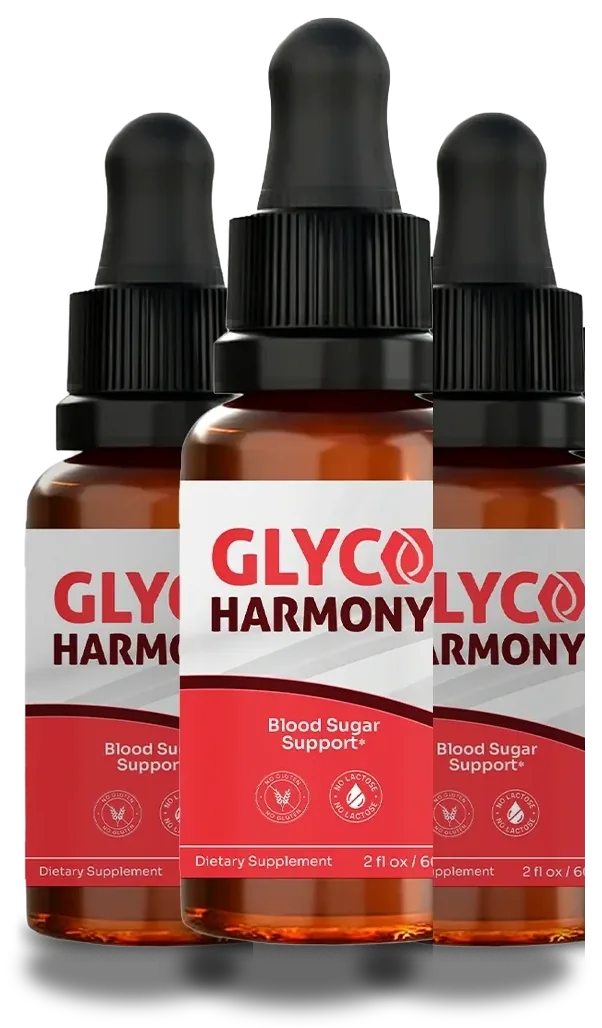
Ingredient profile
African Mango Seed Extract in Glyco Harmony: Trials, Limits and Cautions
African mango seed extract, from Irvingia gabonensis, is the fourth of 22 names in the Glyco Harmony blend. A review of three small weight trials with 208 people found serious method flaws and could not recommend it. The label prints no amount, and the whole blend is 200 mg. No source links it to blood sugar.
Written by the Glyco Harmony label deskUpdated
What it is01
What is African mango seed extract?
African mango seed extract comes from the seed of Irvingia gabonensis, a fruit tree of West Africa. It is sold as a supplement, mostly for weight loss.
The Glyco Harmony label prints the name as "African Mango (Irvingia gabonesis) Seed Extract". The botanical name has a typo, as the label also spells L-tryptophan "L-Typtophan". Neither affects the facts below.
The profile lists what the label does and does not print.
| Name on the label | African Mango (Irvingia gabonesis) Seed Extract |
|---|---|
| What it is | Seed of a West African fruit tree (Irvingia gabonensis) |
| Place on the panel | Name 4 of 22 inside the blend (heaviest first) |
| Amount per 1 ml serving | Inside the 200 mg blend; no amount of its own is printed |
| Amount used in research | Three small trials (208 people) for weight loss; no dose in the record we read |
| Strength of evidence | Limited: the review found serious method weaknesses and could not recommend it |
| Marketed or traditional use | Marketed for weight and metabolism |
| Main caution | Long-term safety is not established in the source we read. |
On the label02
How much African mango is in Glyco Harmony?
The label does not say. African mango is fourth of 22 names, and the 22 share one 200 mg total.
US rules let a label list a blend by order of weight without each amount (FDA, Supplement Labeling Compliance Guide). So the order tells us three names (maca, grape seed and guarana) weigh at least as much as African mango, and eighteen weigh no more. That is all it tells us.
An even split would be about 9.1 mg each. This is our arithmetic, since the label does not say the split is even. No amount of African mango is printed anywhere on the bottle.
The research03
What do African mango trials show?
A review of three randomized trials, with 208 people, found weak methods and could not recommend it for weight loss. The trials had from 72 to 120 people each (Onakpoya 2013 (DARE), African Mango).
All three reported more weight loss than placebo. The review warned that the trials had poor randomization, no intention-to-treat analysis and small samples. A 2020 analysis of herbal weight-loss trials said the evidence was insufficient to recommend any herb it reviewed, and named Irvingia among those with three or fewer trials.
| Trial | African mango group | Placebo group |
|---|---|---|
| First | 12.8 kg lost | 0.7 kg lost |
| Second | 4.1 kg lost | 0.1 kg lost |
| Third | 11.9 kg lost | 2.1 kg lost |
These figures describe the trials, not Glyco Harmony. Because of the flaws, we do not read them as proof that the extract causes weight loss.
Amount vs trial04
Does Glyco Harmony hold the African mango amount in trials?
We cannot tell. The review record gives no doses, and the label gives no amount for African mango.
With neither number, no comparison is possible. We will not guess. The ruler below shows what the label does print: chromium at 0.7 mcg and one 200 mg blend, next to the amounts studied for other names.
357 to 1chromium in trials (above 250 mcg) against the 0.7 mcg on the label
- Chromium on the label0.7 mcg (NIH ODS, Chromium)
- Chromium in trialsabove 250 mcg (NIH ODS, Chromium) (Abdollahi 2013, Chromium Meta-analysis)
- Whole blend on the label200 mg for 22 names (FDA, Supplement Labeling Compliance Guide)
- Caffeine, FDA daily figure400 mg a day (FDA, How Much Caffeine Is Too Much)
- Gymnema in trials500 mg or more (Drugs.com, Gymnema)
- Maca in trials1.5 g or more (Shin 2010, Maca Systematic Review)
Log scale: each step is ten times the last. Crimson dots are the label, amber dots are amounts used in research, the dark dot is an official limit.
No trial tested Glyco Harmony, or any product with these 22 names.
Blood sugar05
Does African mango help with blood sugar?
We found no source that says it does. The reviews we opened were about weight, and neither is about blood sugar support from a 200 mg blend (Onakpoya 2013 (DARE), African Mango).
The sales page says African mango acts on a hormone called leptin. No source we opened says that. Treat it as a claim without support.
Glyco Harmony is a dietary supplement, not a medicine and not a treatment for diabetes. The front reads "Blood Sugar Support*", which the FDA has not evaluated (FDA, Structure/Function Claims).
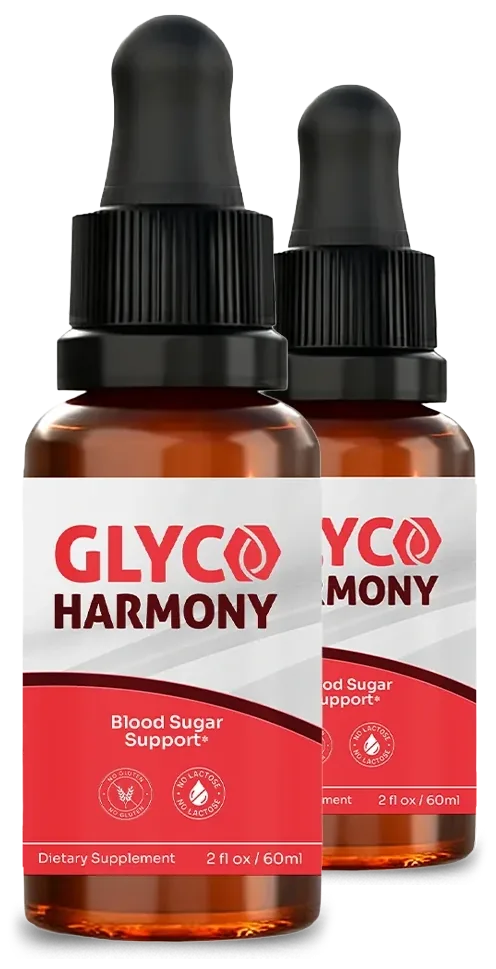
Glyco Harmony: packs of 2, 3 and 6 bottles60 ml dropper bottle · packs of 2, 3 or 6 bottles · price and guarantee terms at checkout
See packsSafety06
What are the side effects of African mango?
In the three trials, headache, trouble sleeping and gas did not differ from placebo (Onakpoya 2013 (DARE), African Mango). Long-term safety is not established.
Those trials were small and flawed, so a lack of difference is weak comfort. We found no source we could open on African mango and medicines.
Keep taking prescribed medicine. Talk to your doctor or pharmacist before you use Glyco Harmony. Medicines for diabetes can cause low blood sugar, and a supplement that might also lower it adds to the risk (NIDDK, Low Blood Glucose).
Shaking, sweating, confusion, fainting, chest pain, or yellow skin or eyes need medical care today. A home meter does not diagnose diabetes (ADA, A1C Test).
Who should ask07
Who should check with a pharmacist before taking African mango?
Anyone on a prescribed medicine, and anyone the label names: pregnant or nursing mothers, people under 18 and those with a known medical condition.
NCCIH tells readers to share every supplement with all their providers, and to do so well before an operation (NCCIH, Using Dietary Supplements Wisely).
- Bring the full label, with all 22 names
- Ask about each medicine you take, not only diabetes drugs
- Do not use weight loss claims to judge the product
The side effects page covers the other names.
More names08
What are the other ingredients in Glyco Harmony?
There are 21 more names in the blend, plus chromium on its own line. The chips lead to each profile.
Read how maca, listed first, compares, and how raspberry ketones are sold for the same weight goal.
FAQ09
African mango in Glyco Harmony: your questions
What is African mango seed extract?
It is an extract of the seed of Irvingia gabonensis, a West African fruit tree. It is sold mostly for weight loss. A review of three small trials with 208 people found serious method flaws and could not recommend it (Onakpoya 2013 (DARE), African Mango). It is not a blood sugar treatment.
Is African mango proven for weight loss?
No. All three trials reported more loss than placebo, but they had poor randomization and small samples, and the authors could not recommend it (Onakpoya 2013 (DARE), African Mango). A later analysis called the evidence on herbs for weight loss insufficient. Glyco Harmony has not been tested.
How much African mango is in one Glyco Harmony serving?
The label does not say. It prints one 200 mg blend for 22 names, and African mango is fourth in label order. An even split would be about 9 mg each, which is our arithmetic. The review record gives no trial doses to compare.
Does African mango help blood sugar?
We found no source that says it does. The trials we read measured weight, not blood sugar support (Onakpoya 2013 (DARE), African Mango). Never use a supplement in place of a prescribed medicine, and keep your glucose checks.
What are African mango side effects?
In three small trials, headache, trouble sleeping and gas did not differ from placebo (Onakpoya 2013 (DARE), African Mango). The trials were weak, and long-term safety is unknown. Stop use and call a doctor if you react, and report problems to MedWatch.
Why does the label spell Irvingia gabonensis differently?
The label prints Irvingia gabonesis, which looks like a typo for gabonensis. The same label spells L-tryptophan as L-Typtophan. It is a printing error, not a different plant, and the sales desk can confirm if it matters to you.
Can I take African mango with diabetes medicine?
Ask your doctor or pharmacist first. We found no source we could open on African mango and medicines. Medicines for diabetes can cause low blood sugar (NIDDK, Low Blood Glucose), and other names in the blend may lower it too. Never change a prescribed medicine yourself.
Sources cited above (11)
- A1C. American Diabetes Association, undated.
- Low Blood Glucose (Hypoglycemia). National Institute of Diabetes and Digestive and Kidney Diseases (NIH), 2021.
- Chromium: Fact Sheet for Health Professionals. NIH Office of Dietary Supplements, 2022.
- Effect of Chromium on Glucose and Lipid Profiles in Patients with Type 2 Diabetes; A Meta-analysis Review of Randomized Trials. Abdollahi M, Farshchi A, Nikfar S, Seyedifar M; Journal of Pharmacy and Pharmaceutical Sciences 16(1):99-114, 2013.
- Gymnema (Natural Product Monograph). Drugs.com medical review staff (no named reviewer), 2026.
- Critical abstract: African mango (Irvingia gabonensis) for overweight and obesity, a systematic review. Centre for Reviews and Dissemination (NCBI Bookshelf DARE record) of Onakpoya I, Davies L, Posadzki P, Ernst E, J Diet Suppl 2013, 2013.
- Spilling the Beans: How Much Caffeine Is Too Much?. U.S. Food and Drug Administration, 2024.
- Maca (L. meyenii) for improving sexual function: a systematic review. Shin BC, Lee MS, Yang EJ, Lee HS, Ernst E; BMC Complementary and Alternative Medicine 10:44, 2010.
- Small Entity Compliance Guide: Statement of Identity, Nutrition Labeling and Ingredient Labeling of Dietary Supplements. U.S. Food and Drug Administration (CFSAN), 1999.
- Using Dietary Supplements Wisely. National Center for Complementary and Integrative Health (NIH), 2019.
- Structure/Function Claims. U.S. Food and Drug Administration, 2024.
Who wrote this10
Written and reviewed by
Pages built from the label, the sales page and linked NIH, FDA, CDC, FTC and peer-reviewed sources.
Last updated . Read our editorial standards and how we check reviews. This website is the information site of a USA Authorized Glyco Harmony Retailer. It is not the manufacturer or Instituto Experience, the distributor named on the label. We earn money when you buy through our order links.
Keep reading
More about Glyco Harmony
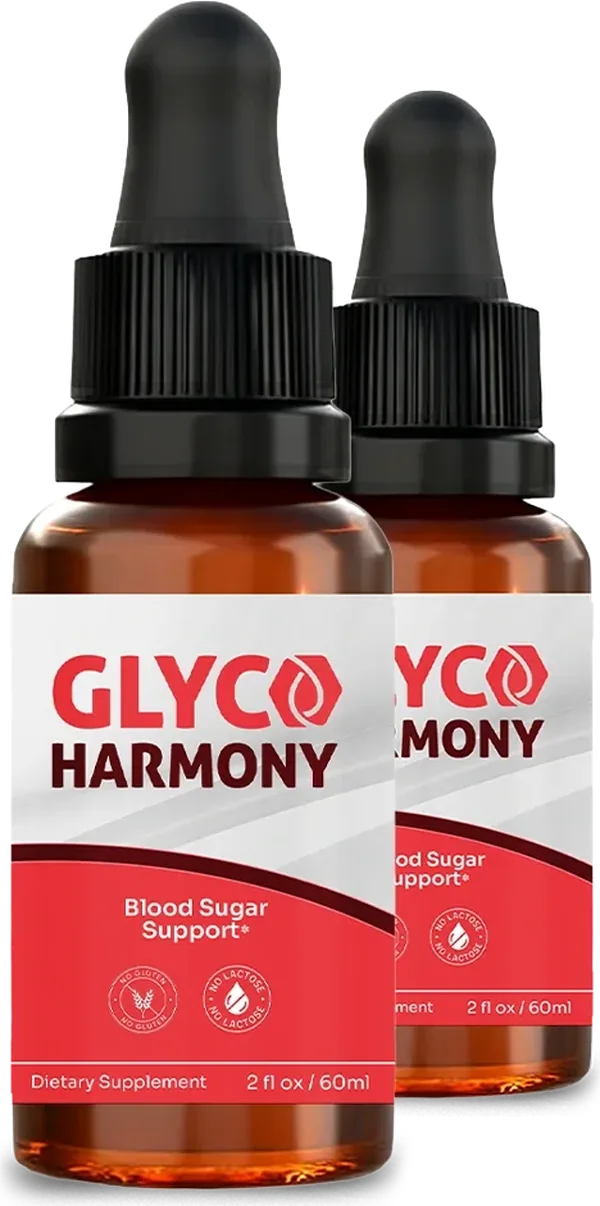
USA Authorized Glyco Harmony Retailer
Ready to try Glyco Harmony?
Check your medicines first, especially insulin or any diabetes medicine, then pick a pack. The checkout shows the price, the shipping and the money-back terms.
- Secure checkout on the sales site
- Money-back terms shown at checkout
- Ships from the U.S.